


By: Sarah D’Mello, SENIOR PRODUCT SAFETY SPECIALIST, email
In Canada, consumer chemical products and workplace chemical products are subject to separate regulations. This means that there are differences in classification criteria, precautionary statements, and hazard symbols on product labels.
The Consumer Chemicals and Containers Regulations (CCCR) cover anything considered to be a consumer product in Canada.
The Globally Harmonized System of Classification and Labelling of Chemicals (GHS) covers workplace products.
While both systems aim to enhance chemical safety and ultimately protect the general public, there is a difference between the pictograms used in the CCCR and the GHS. Both systems are designed to communicate the hazard classification of chemical products, but employ different pictograms to do so.
Today’s article focuses on the the CCCR vs GHS with regards to the differences in pictograms.
Overview of CCCR Pictograms
The Consumer Chemicals and Containers Regulations (CCCR) is a Canadian regulatory framework that governs the labelling and packaging of consumer chemical products. CCCR pictograms are designed to communicate essential hazard information to consumers in a clear and understandable manner. These pictograms are accompanied by text warnings, providing users with crucial information about the potential hazards associated with the product. CCCR pictograms are primarily used on consumer products sold in Canada, including cleaning products, automotive chemicals and adhesives.
Schedule 2 of the CCCR lists the hazard pictograms for consumer chemical products. There are only 4 pictograms that can be displayed on the product label:
| Toxic |  |
| Corrosive |  |
| Flammable |  |
| Explosive |  |
Overview of GHS Pictograms
The Globally Harmonized System of Classification and Labelling of Chemicals (GHS) is an international system for standardizing the classification and labelling of chemicals developed by the United Nations. GHS pictograms are standardized internationally and used to communicate hazard information across industries. The GHS system is widely adopted by countries around the world, including Canada, to promote consistency and improve chemical safety in the global marketplace.
In Canada, the Hazardous Products Act (HPA) is the federal regulation that oversees the labelling and sale of hazardous products in Canada. The Hazardous Products Regulations (HPR) are regulations under the HPA detailing requirements for the classification criteria, labelling and safety data sheets of hazardous products.
Schedule 3 of the Hazardous Products Regulations contains the pictograms that can be on a Canadian SDS and Label:
| Flame | 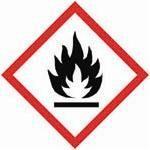 |
| Flame over circle | 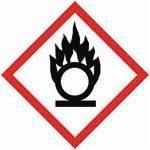 |
| Exploding bomb | 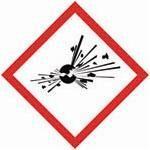 |
| Corrosion | 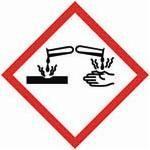 |
| Gas cylinder |  |
| Skull and crossbones |  |
| Exclamation mark | 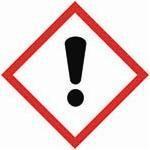 |
| Health hazard |  |
Biohazardous infectious materials | 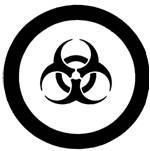 |
Comparison of CCCR vs GHS
While both systems aim to improve the safety of handling chemicals, the pictograms used in CCCR and GHS are distinct. It’s essential to be familiar with the symbols relevant to the specific regulations:
- CCCR pictograms are simplistic and focus on conveying essential hazard information to consumers.
- CCCR pictograms are specific to Canada and are used for consumer products sold in the Canadian market. In contrast, GHS pictograms have a global scope and are easily recognizable internationally.
How Dell Tech Can Help with CCCR and GHS
Please reach out to Dell Tech’s Product Safety team for additional clarification on the differences between Canadian consumer and GHS regulations. Our services include consumer chemical label review for Canada, safety data sheet authoring for WHMIS compliance, hazard classification testing and more.
What about the United States?
Dell Tech can also assist you with regulatory requirements set out by the Consumer Product Safety Commission (CPSC) if you want to also sell your consumer product in the United States.
Dell Tech has provided professional, confidential consulting services to the specialty chemical
industry in Canada, the USA, Europe, and Asia for the last 40 years.


